Gulf of Alaksa Keepers

media | read

Read

Gulf of Alaska Keeper Marine Debris Challenges Along the Northern Gulf of Alaska Coast | GOAK

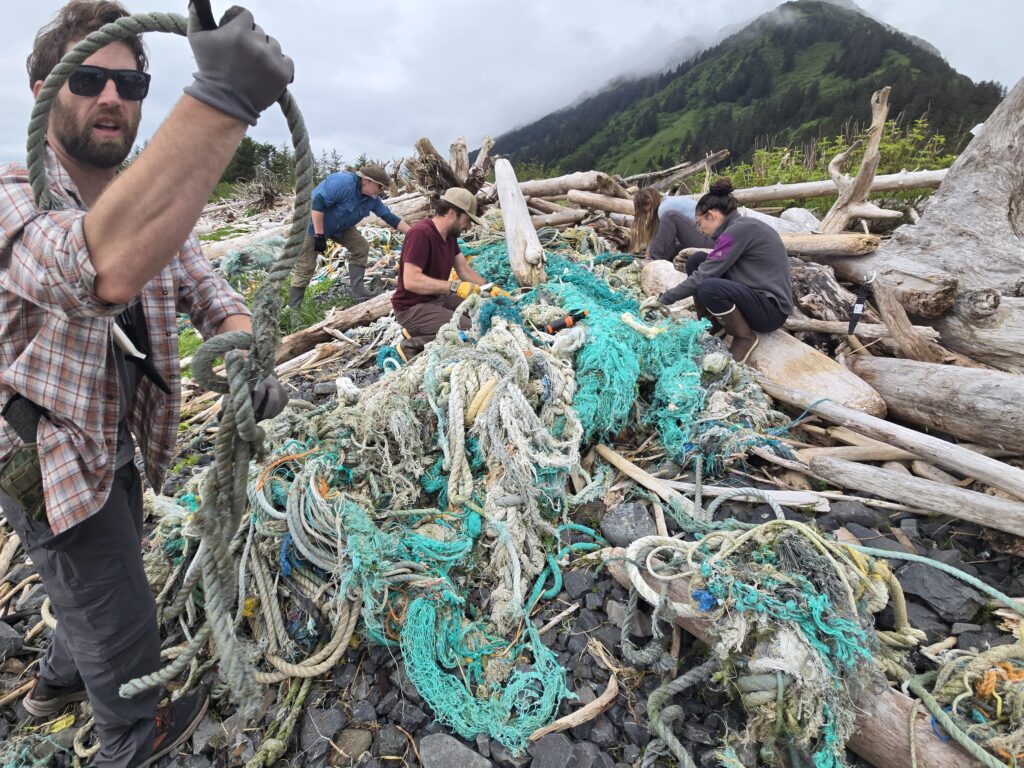
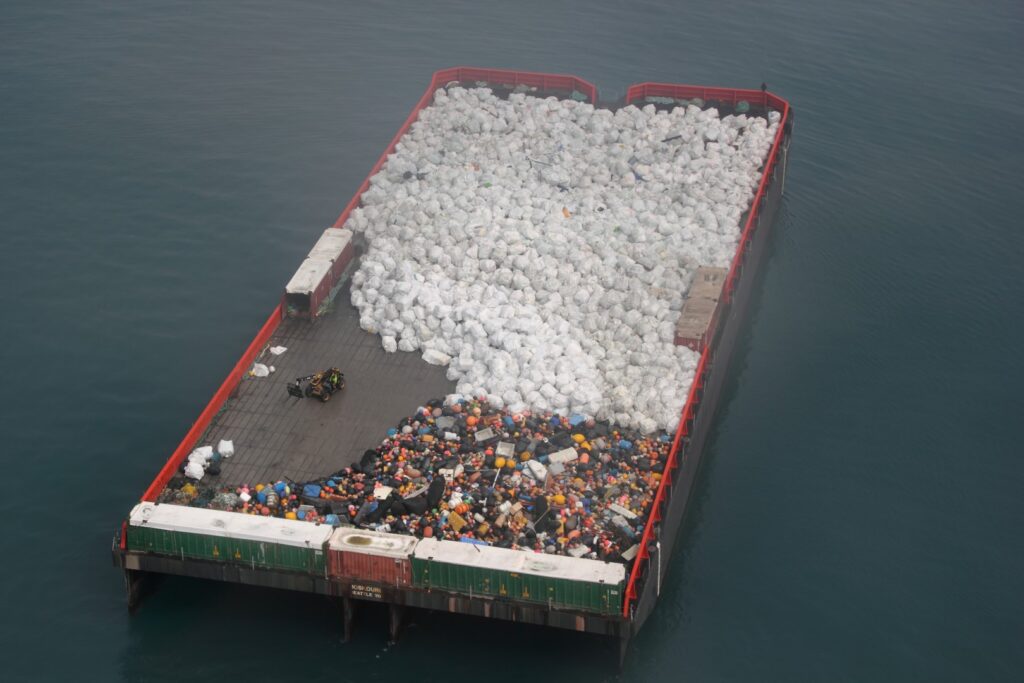
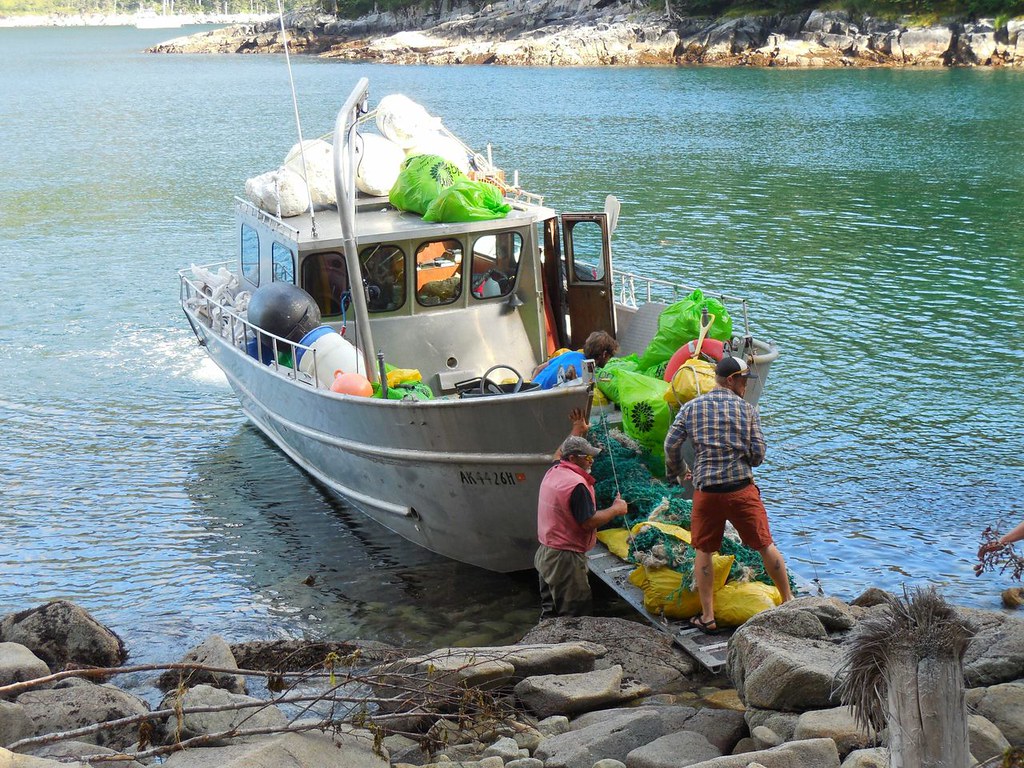
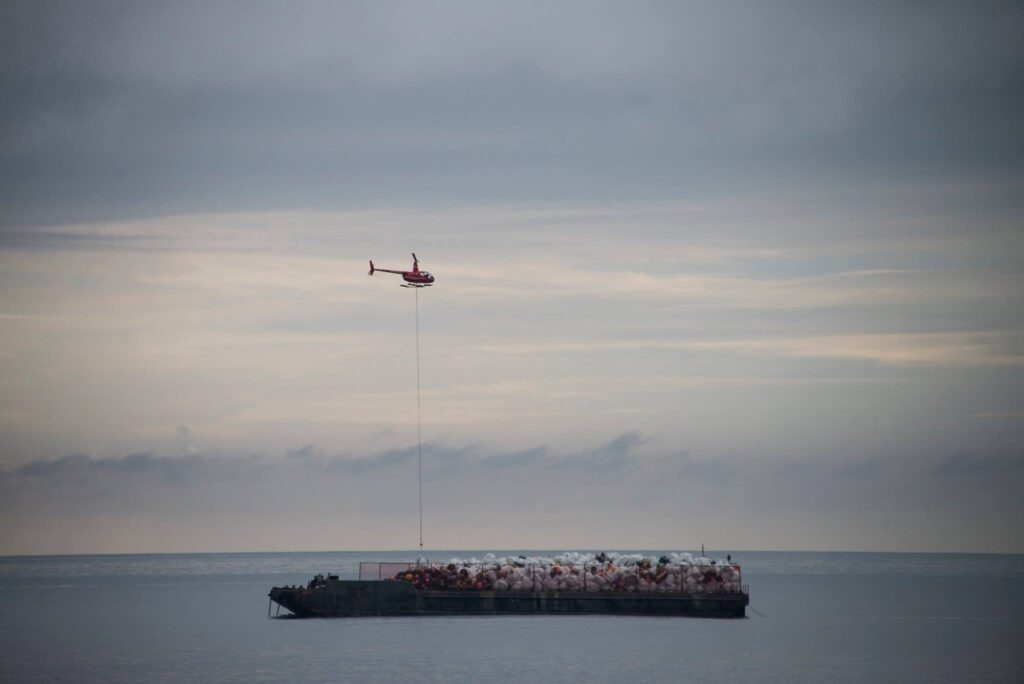
Gulf of Alaska Keepers brochure about the GoAK 2015-16 Marine Debris Projects in the removing large scale marine debris off Kayak Island, Montague island, and Gore Point.

Read

Cleaning Asia’s Debris Off Alaska’s Shores | The Wall Street Journal

In March 2011, Japan was hit with the double disaster of an earthquake and a tsunami off its Pacific coast. Four months later, the effects began washing up thousands of miles away, in some of America’s wildest and most remote places. 

Read

Floats, gunk and other tsunami debris hitting Gulf of Alaska beaches | Alaska Daily News

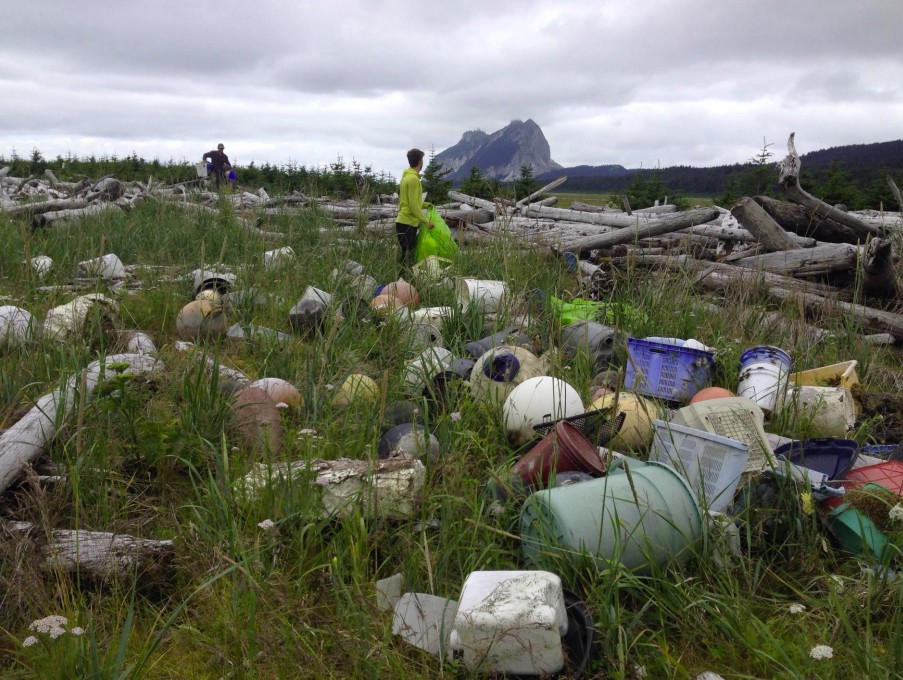
Debris from the Japanese tsunami has begun to wash ashore along Alaska’s outer beaches to a dramatic extent — delivering floats, barrels, gunk plus one errant soccer ball recovered on Middleton Island, according to Facebook posts, news reports and eyewitness accounts from around the region.

Read

Sea of Trash | The New York Times

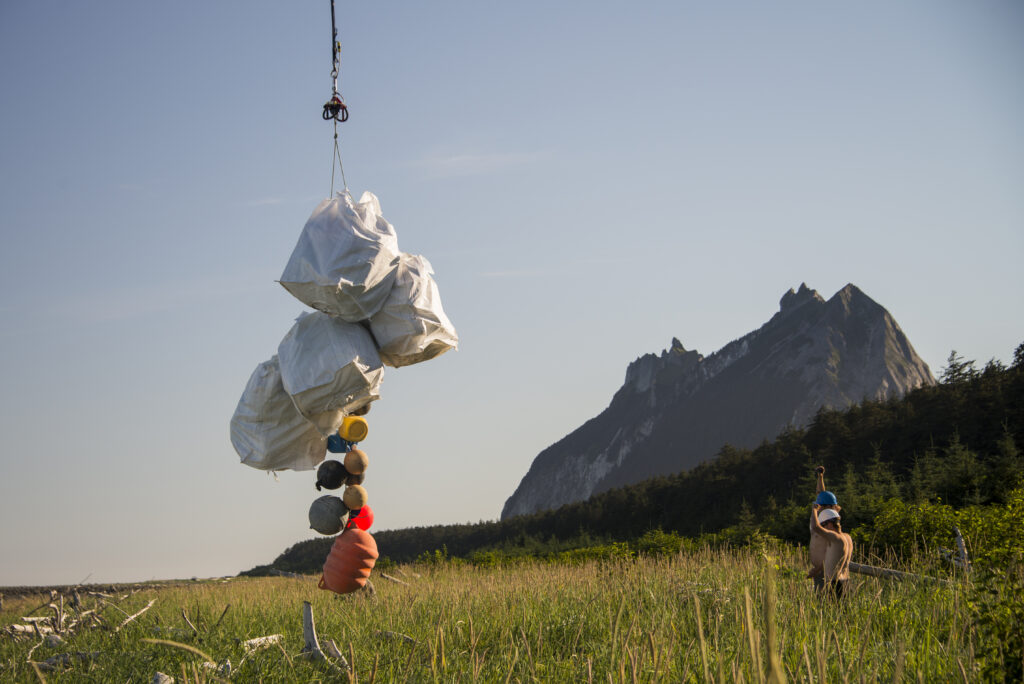
Off Gore Point, where tide rips collide, the rolling swells rear up and steepen into whitecaps. Quiet with concentration, Chris Pallister decelerates from 15 knots to 8, strains to peer through a windshield blurry with spray, tightens his grip on the wheel and, like a skier negotiating moguls, coaxes his home-built boat, the Opus aptly named for a comic-strip penguin through the chaos of waves…
Read

Flotsam from 2011 Japan tsunami reaches Alaska | CNN

apanese officials estimate up to 70% of the tsunami wreckage has sunk. But the rest, ranging in size from children’s toys to a squid trawler sunk by the U.S. Coast Guard off Alaska in April, has been turning up off the United States and Canada for more than a month.

Read

Does Japanese Tsunami Debris Pose an Environmental Threat to the U.S. West Coast? | Scientific America

The Japanese government estimates that some 1.5 million tons of debris is afloat in the Pacific Ocean as a result of the March 2011 earthquake, tsunami and nuclear disaster. 

Read

Some of the 'mind-blowing' amount of trash washing up on Alaska's beaches comes to Anchorage | Anchorage Daily News

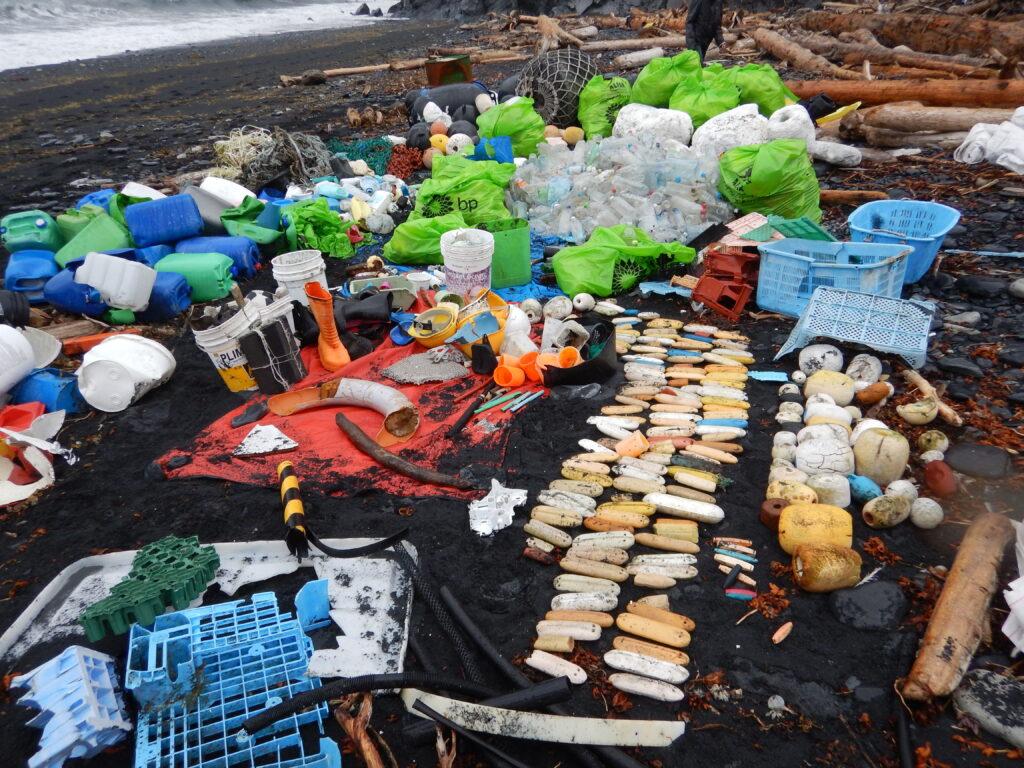
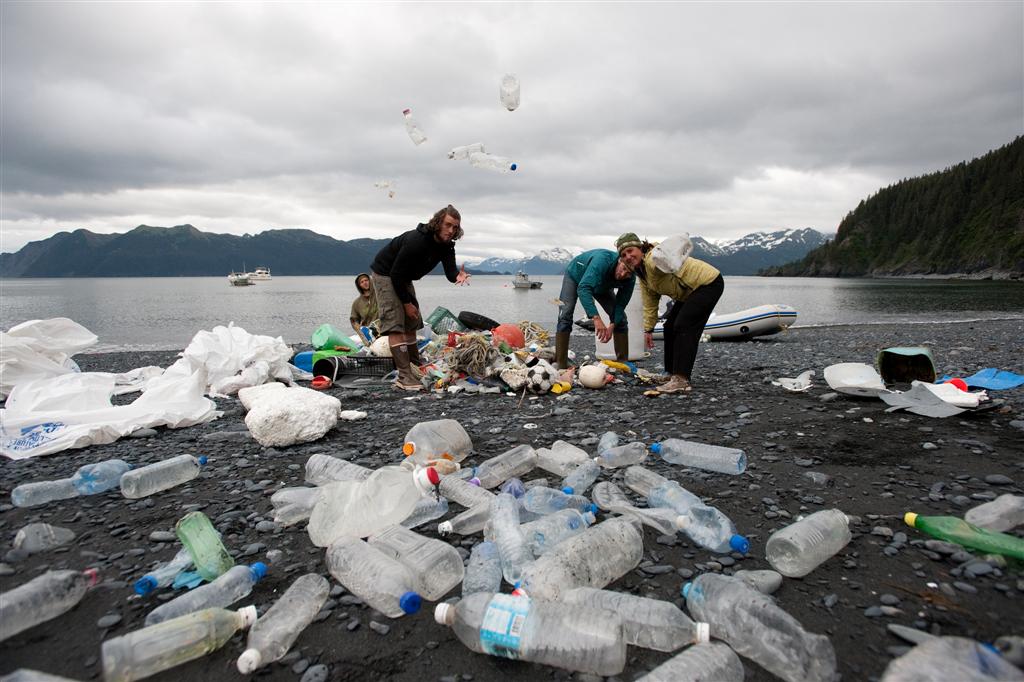
There were shoes alongside buoys and styrofoam. There was a collection of blue aluminum water bottles, apparently dumped into the ocean in a container spill, as well as metal containers marked with Japanese writing, likely debris from the deadly 2011 tsunami there. 

Read

Wave of Styrofoam from 2011 tsunami threatens Alaska environment | Reuters

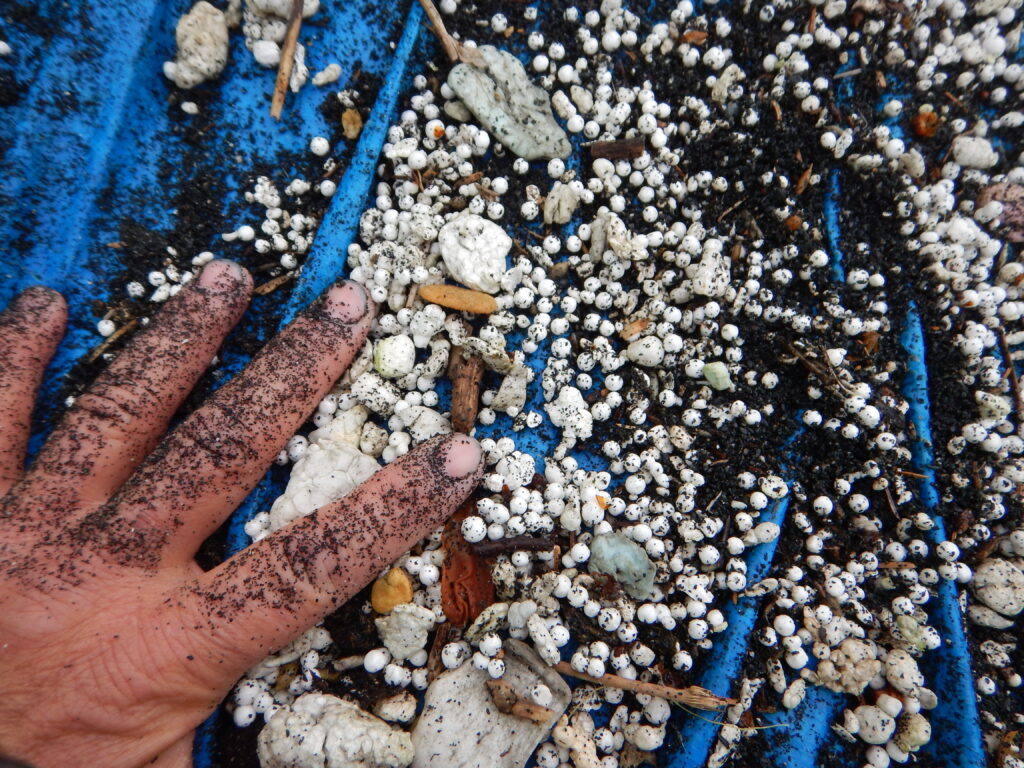
Alaska cleanup crews last year found some beaches covered with polystyrene foam that floated across the Pacific from the 2011 Japanese tsunami and threatens wildlife, a state official told legislators on Tuesday.

Read

Now funded, work begins to clean tsunami trash from remote Alaska beaches | Alaska Daily News

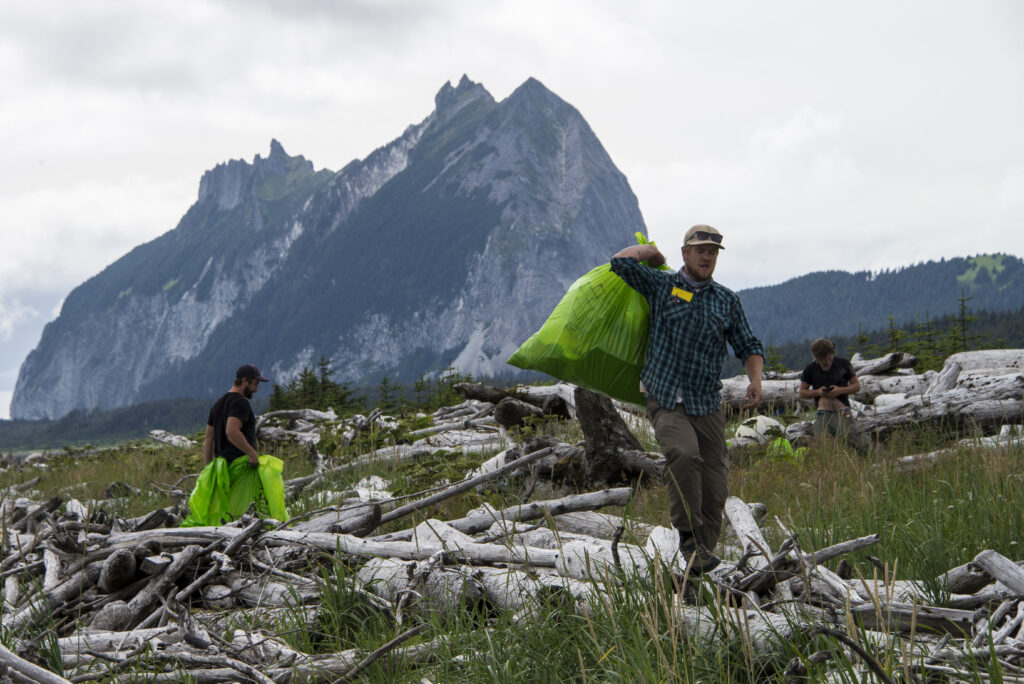
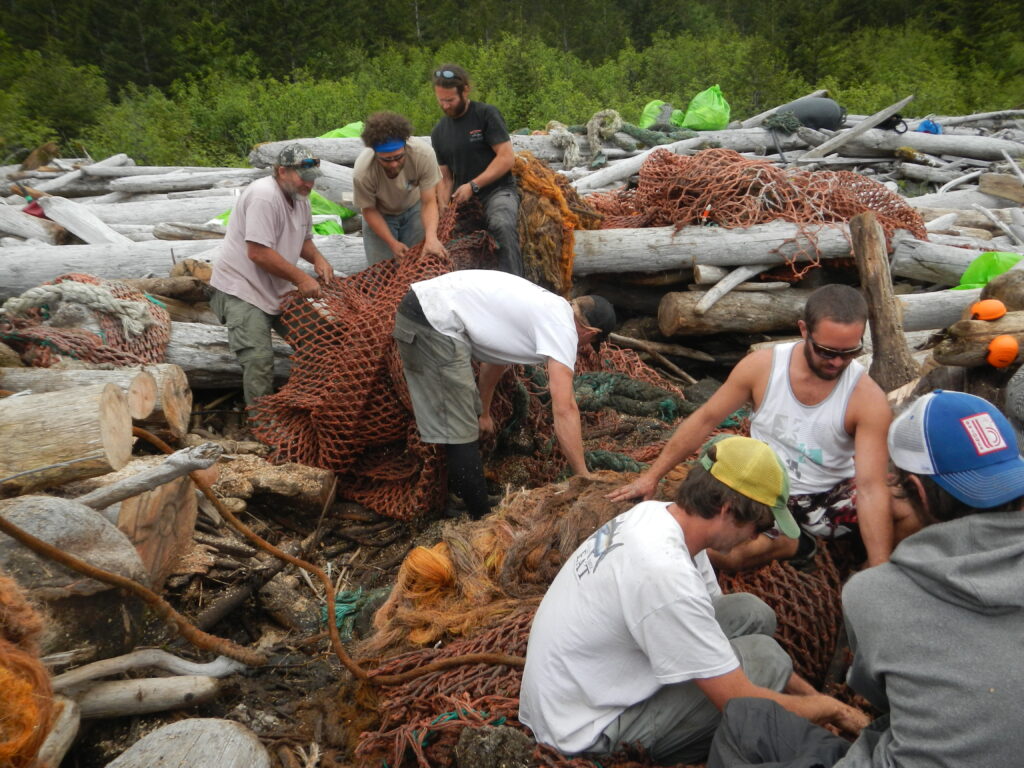
“We’re already behind the curve on that,” said Chris Pallister, co-founder of Gulf of Alaska Keeper, which is using a $1 million state grant to clean up marine debris, much of which is from the tsunami, in an area around Prince William Sound.

Read

Toxic tsunami debris will flood Alaska shores | ADN

A recent National Oceanic and Atmospheric Administration estimate stated that 1.5 million tons of tsunami-generated debris will hit the North American west coast. That translates into 30 billion pounds. If only 1% of that reaches Alaska’s shores, 30 million pounds of largely plastic and toxic debris will flood our sensitive inter-tidal ecosystem. 

Read

Removing Large Scale Marine Debris From Montague Island in the northern Gulf of Alaska | NOAA

Debris from the Japanese tsunami has begun to wash ashore along Alaska’s outer beaches to a dramatic extent — delivering floats, barrels, gunk plus one errant soccer ball recovered on Middleton Island, according to Facebook posts, news reports and eyewitness accounts from around the region.

Read

Tsunami Debris Problem Gets Worse in Alaska, with Little Clean Up Funding In Sightt | Alaska Public Media

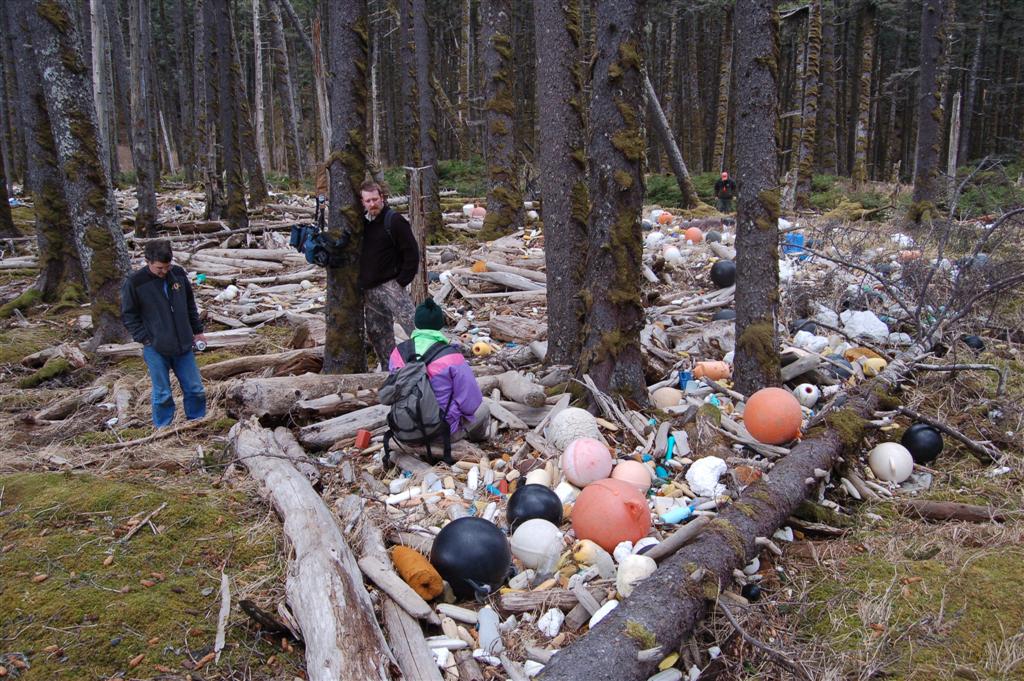
The beach on the southeast side of Montague Island stretches for nearly 80 miles of pristine wilderness. At least it looks pristine from a few thousand feet up. As our helicopter descends towards the shore, big chunks of white polystyrene foam, similar to Styrofoam, come into view.

Read

Montague Island Cleanup | Center for Alaskan Coastal Studies

This project will remove marine debris from 74-tidal miles (119 kilometers) of shoreline suffering from some of the worst marine debris accumulation in the nation. Montague Island’s shore is blanketed with up to 30 tons of marine debris per shoreline mile.

Read

Japan's Toxic Tsunami Debris Heads Towards North America | Common Dreams

Chemical contamination “could be a real threat,” Dr. M. Sanjayan, the lead scientist at conservation group the Nature Conservancy, tells CBC News. “Finding one drum of, say, paint thinner, or something you might find in your garage, it’s not hugely toxic. But if you find 50 of them all washed up on a rocky shore and then breaking and leaking, then you have some problems.”

Interested in helping to telling our story?

Send a message to discuss a collaboration.